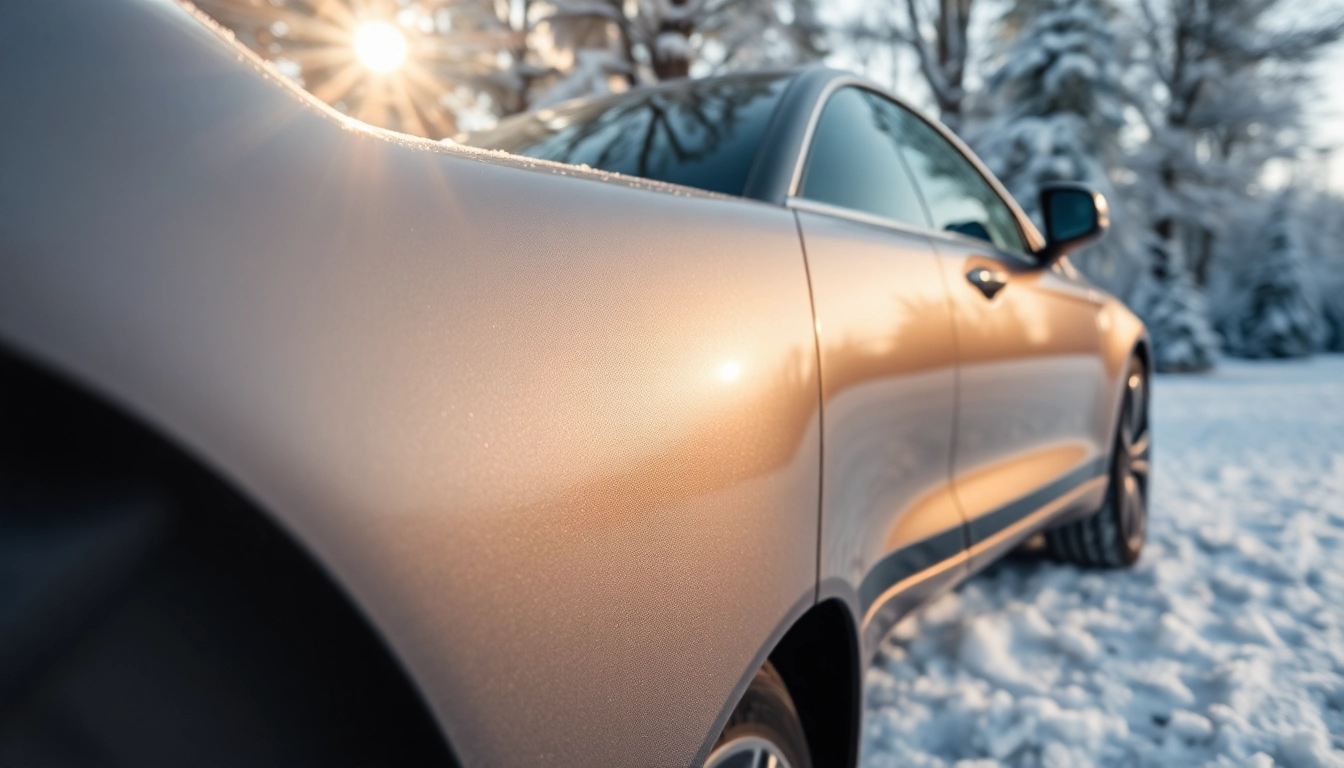
Understanding PPF Winter Road Salt Protection
What is PPF (Paint Protection Film)?
Paint Protection Film (PPF) is a transparent thermoplastic urethane film that is applied to the surfaces of vehicles to protect the paint from various forms of damage, including scratches, chips, and environmental contaminants. The film is designed to absorb impacts, providing a shield against abrasions and scratches, while maintaining the original look of your car.
PPF is especially valuable for vehicle owners who aim to keep their cars in pristine condition. It is commonly used on high-impact areas such as hoods, fenders, and bumpers. Made to be a long-lasting solution, PPF winter road salt protection can be a pivotal decision for those living in regions with harsh winter conditions.
How Winter Road Conditions Affect Vehicles
Winter road conditions can deteriorate the exterior of a vehicle significantly. Road salt, used to melt ice on roadways, is particularly corrosive and can lead to rust and long-term damage if not managed properly. Vehicles exposed to these elements often show signs of wear such as paint chipping, corrosion around wheel wells, and damage to underbody components.
In addition to chemical damage from road salt, fluctuating temperatures can cause the paint to expand and contract. This might lead to peeling or cracking, particularly on unprotected surfaces. Therefore, it's crucial to consider protective measures like PPF, which not only guard against physical damage but also against chemical corrosion brought on by salt and other winter elements.
Benefits of PPF Winter Road Salt Protection
PPF provides comprehensive protection against the harmful effects of winter driving. By investing in PPF, vehicle owners ensure their cars remain visually appealing and free from damage. One significant benefit is the film's resilience; it can withstand the abrasive action of road salt and chemical treatments used in winter weather without compromising the underlying paint.
Moreover, PPF is self-healing, meaning that minor scratches can disappear when exposed to heat, prolonging the cosmetic integrity of the vehicle. This means that during the harsh winter months, you won't have to worry about unsightly scratches or blemishes appearing on your car's finish.
Preparing Your Vehicle for Winter
Cleaning and Detailing Before Application
Before applying PPF, it's vital to thoroughly clean and detail the vehicle. This involves washing, waxing, and polishing the surface to eliminate dirt, grime, and previous wax or sealant residues. Any contaminants on the paint can lead to adhesion issues and may compromise the effectiveness of the PPF.
Consider a professional detailing service for the best results, as they often use specialized equipment to ensure the paint surface is free from imperfections. A well-prepared vehicle surface not only allows for better application but also enhances the overall durability of the PPF.
Assessing Damage from Previous Winters
Before applying PPF, it's crucial to assess the vehicle for any existing damage. Inspect for scratches, chips, and corrosion that may have occurred in prior winter seasons. Address or repair these imperfections before installation, as applying PPF over damaged areas may result in sub-optimal adhesion and performance.
A professional assessment can determine if paint correction or other repairs are necessary. Investing time in this step can significantly increase the longevity and effectiveness of your PPF application.
Choosing the Right PPF for Winter Conditions
Not all paint protection films are created equal, especially when considering winter road conditions. When selecting a PPF, look for films that are specifically designed to withstand harsh environments, with features like UV resistance and high durability against abrasives.
Opt for a film with a warranty that covers yellowing or bubbling under extreme conditions. This can be a critical factor in ensuring that your investment remains intact. Additionally, consult with professionals to find the best options tailored for winter use.
Application of PPF in Winter
Preparing for the Installation Process
Preparing for the installation of PPF requires not only a clean surface but also the right environment. Ideally, the installation should occur in a controlled setting, away from direct sunlight and dust. Ensure that the vehicle is parked in a garage or space that maintains a consistent temperature.
Gather necessary equipment such as squeegees, solution for slip (to aid in placement), and heat guns for post-application adjustments. Having the right tools on hand ensures a smoother installation process that adheres to best practices.
Proper Techniques for Winter Application
When applying PPF in winter, it’s crucial to work quickly and efficiently, as low temperatures can affect the adhesive properties of the film. Start by following the manufacturer’s guidelines for temperature and humidity conditions while applying the film.
Using a heat gun can help to make the material more pliable and easier to manipulate. This is particularly important for complex curves and edges, where a tight fit is essential for preventing moisture from getting underneath the film.
Post-Application Care and Maintenance
After PPF installation, allow the film to cure according to the manufacturer’s instructions. Avoid washing the vehicle for at least seven days to let the adhesive set properly. During this time, refrain from exposing the vehicle to harsh elements as much as possible.
Once the film is cured, regular maintenance involves gentle washing with pH-neutral car soap and avoiding abrasive materials or harsh chemicals. Staying vigilant about maintenance will further enhance the longevity of your PPF and contribute to its protective capabilities.
Maximizing PPF Performance Against Road Salt
Regular Inspections for Damage or Wear
One of the best practices for maintaining PPF during the winter months is to conduct regular inspections. Check for any signs of wear, such as peeling edges, discoloration, or impact marks. Early detection can help address issues before they lead to further damage.
Inspect also for pockets of moisture that could compromise the adhesion of the film. By staying proactive about inspections, you can leverage PPF to its fullest potential against winter road conditions.
Best Practices for Washing During Winter
Washing your vehicle during winter is vital to removing accumulated road salt and dirt, which can lead to corrosion if left unattended. Aim to wash your car every two weeks, utilizing a touchless wash if available, as this reduces the risk of scratches to the PPF surface.
When washing by hand, use soft microfiber towels and ensure that all cleaning products are compatible with PPF. Rinsing thoroughly is critical to make sure all salt and contaminants are removed effectively.
Protective Accessories that Complement PPF
In addition to applying PPF, consider using protective accessories that can enhance the overall defense of your vehicle during winter months. For instance, winter floor mats protect the interior from moisture and salt, while splash guards can mitigate rock chips and salt exposure to the lower parts of your vehicle.
Accessories like ceramic coatings can also provide an additional layer of hydrophobic protection, making it easier to clean surfaces and prevent contaminants from adhering to the vehicle.
FAQs About PPF Winter Road Salt Protection
How long does PPF last in winter conditions?
Typically, PPF can last up to 7-10 years with proper care, even in harsh winter conditions.
Can PPF be applied over existing scratches?
For best results, the surface should be free of scratches; PPF may not adhere properly if applied over damage.
Is PPF removable after winter?
Yes, PPF can be removed without damage to the underlying paint, making it a versatile solution.
Does PPF offer UV protection?
Yes, PPF also shields your vehicle from harmful UV rays, preventing fading and discoloration.
How often should I wash my car during winter?
It's recommended to wash your car every two weeks to remove salt build-up and maintain PPF effectiveness.